The Ship Found Perfectly Upright on the Sea Floor
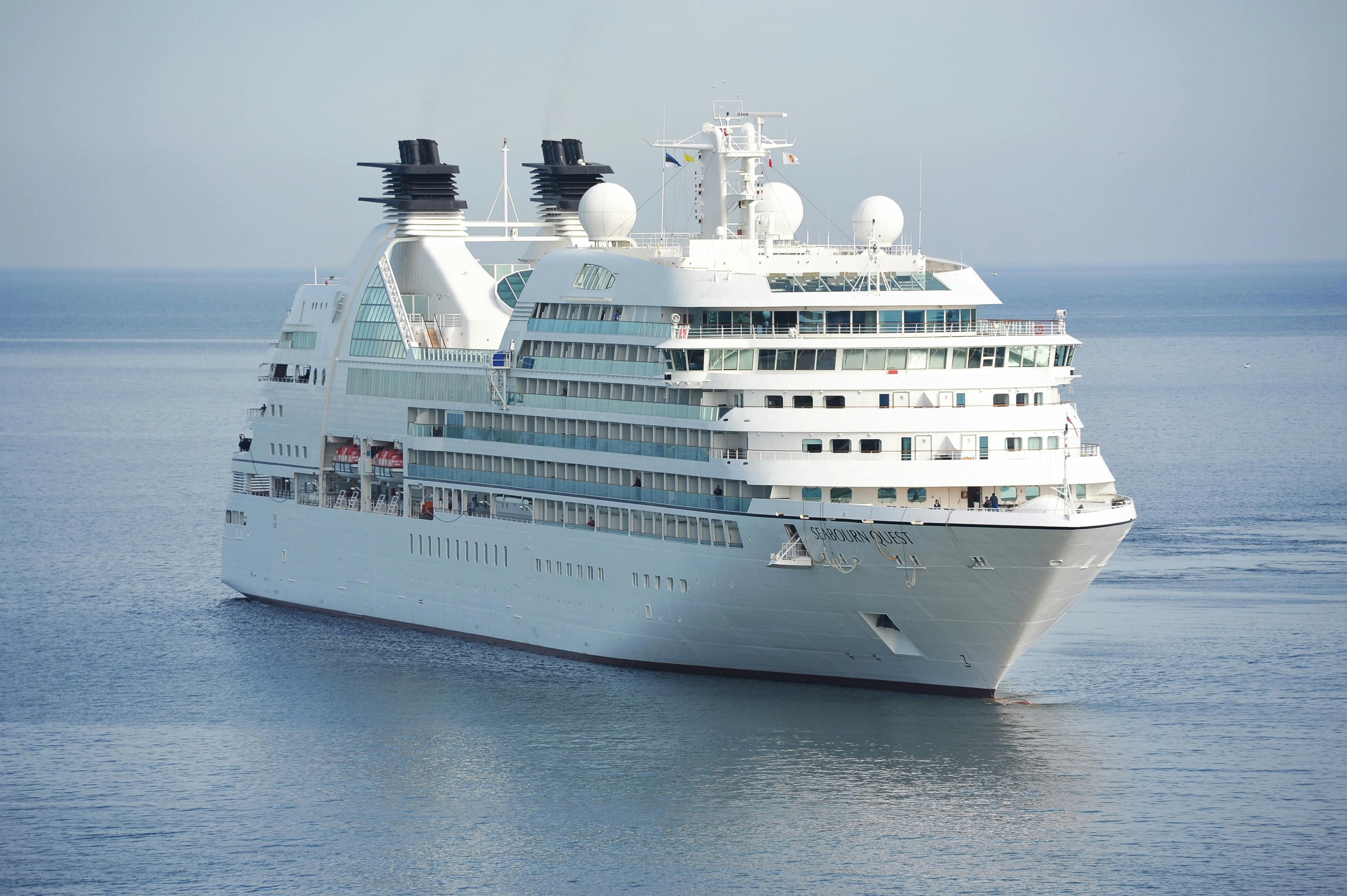
In 2019, deep-sea explorers found the wreck of the SS Swanmore sitting completely upright in the dark waters off the coast of England, looking like it had just parked on the sand. The ship sank in 1917 after a German torpedo struck its side, yet its metal hull sat intact on the sea floor over a century later. Most old shipwrecks collapse into flat piles of rusted iron, but this one stayed standing as if waiting for its crew to return.
When heavy ships take on water, they usually roll over, tear apart, or smash into the sea floor at terrible speeds. The SS Swanmore somehow descended through hundreds of feet of water, landed flat on its keel, and stayed upright for over a hundred years. It is one of the most remarkable deep-sea discoveries ever made in the North Atlantic, giving historians a clean window into a terrifying moment in ocean history.
Why Did the Ship Sink Without Falling Over?
The SS Swanmore was a British cargo ship carrying goods across the Atlantic during the First World War. On May 2, 1917, a torpedo fired by the German submarine U-93 struck the vessel off the coast of Scilly. Water rushed into the engine room, but the crew managed to abandon ship in wooden lifeboats before the heavy hull slipped beneath the waves.
As the ship filled with water, air trapped in its upper decks acted like a balloon, holding the top part light while the heavy iron bottom pulled straight down. Gravity kept the heavy keel pointing toward the mud. Instead of flipping sideways, it sank straight down like an elevator. Oceanographers often study these rare events to understand underwater physics and how sunken vessels settle in calm water.
When it hit the ocean floor about 400 feet down, the soft sand cushioned the impact. The iron hull did not break. The decks did not collapse. It simply settled into the dark mud, surrounded by quiet sea life, untouched by surface storms for more than a century.

How Deep Explorers Found the Upright Ship
For decades, local fishermen knew something big was down there because their nets kept tearing on a sharp underwater wall. In 2019, marine survey teams using advanced sonar equipment mapped the area and saw an extraordinary shape on their screens. A full ocean vessel was standing upright, its masts still pointing toward the surface.
Divers sent remote cameras down into the black water. The video feed blew everyone away. The ship's railings were still in place. The deck machinery sat right where the sailors left it in 1917. You could even read the shape of the cargo hatches. Unlike other wrecks that look like scattered scrap metal, this looked like a ghost ship resting in a calm harbor.
Finding a ship in this state takes tremendous skill and patience. If you like reading about people surviving impossible situations against all odds, check out The Lost Hiker Who Survived on Snow and Sweets, another tale of endurance. The ocean preserved this ship in a way no museum ever could.
What Makes Upright Wrecks So Extremely Rare?
When a ship sinks in deep water, huge currents push against its sides. As water fills the empty rooms inside, the weight shifts constantly. Nine times out of ten, a ship flips onto its side long before it hits the bottom. Once it strikes the sea floor, the hard fall usually crushes the top structures into pieces.
Here are four things that must happen at the exact same time for a ship to land upright:
- The damage must be balanced on both sides so the ship does not tilt as it fills with water.
- The cargo inside must stay locked in place so it does not slide to one side and tip the boat over.
- The water below must be calm without strong underwater currents pulling at the masts.
- The ocean floor must be soft sand or mud to absorb the hit without snapping the frame.
If even one of these things fails, the ship rolls over. That is why finding a wreck like the SS Swanmore sitting upright feels like seeing a miracle in slow motion.
Inside the Ghost Ship on the Ocean Floor
Cameras moving along the deck of the SS Swanmore captured details that left historians speechless. Fish swam through the open doorways of the wheelhouse. Sea anemones covered the iron anchors hanging from the bow. Everything was coated in a fine layer of gray ocean dust, but the structure remained strong.
The crew of the Swanmore was lucky. When the torpedo hit, they had enough time to lower their lifeboats into the water. Most of the men survived the attack and were picked up by nearby rescue boats. That makes this wreck a peaceful memory rather than an underwater grave, which makes exploring its story feel very different from other war losses.
Knowing basic survival skills helped those sailors stay calm in cold water until help arrived. Their quick choices kept a wartime tragedy from becoming a total loss of life.
Why Ships Stay Intact in the Deep Sea
Deep water is cold, dark, and holds very little oxygen. Up on the surface, iron rusts fast because of salt, air, and sun. Down at 400 feet, the rusting process slows down to a crawl. The cold water acts like a cold room, preserving metal, wood, and leather for generations.
You can read more about preserved ocean history and strange underwater finds by browsing our collection of real sea discovery stories. Every wreck resting on the sea floor has a human voice behind it, waiting to be remembered.
Scientists believe the SS Swanmore will stay standing on the sea floor for another hundred years. The calm water down there protects it from big surface waves. It sits in total darkness, an upright monument to a ocean battle fought long ago.
Next time you look out at the open ocean, think about what is sitting straight up in the mud miles off the coast. Does it make you want to explore the deep ocean, or does the thought of a ghost ship sitting in the black water give you chills?


মন্তব্যসমূহ
একটি মন্তব্য পোস্ট করুন